News report · Biography published 25 October 2026; facts checked against the linked reports and career retrospective.
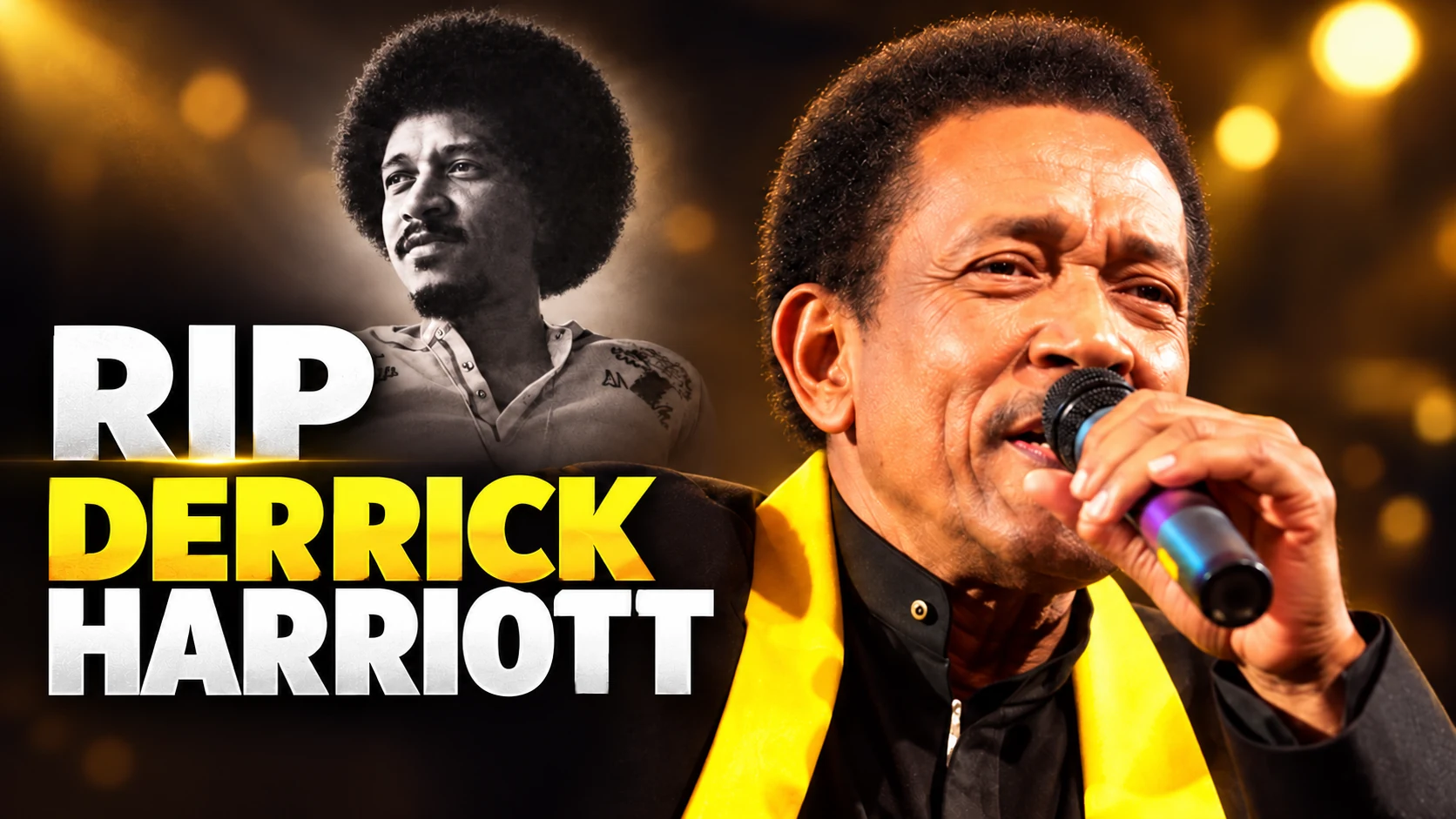
Derrick Harriott built a career that crossed Jamaica’s ska, rocksteady and reggae eras. He was a singer with a distinctive tenor and falsetto, a songwriter, a record producer and a label owner. Harriott died at his home in St Andrew on October 24, 2026, aged 87, according to reporting by The Gleaner and the Jamaica Observer.
A Kingston schoolboy finds his voice
Born in Kingston on February 6, 1939, Harriott attended Excelsior High School, where he began performing with schoolmate Claude Sang Jr. His first appearance on the Vere Johns Opportunity Hour talent contest was as a solo singer in 1955. He returned with Sang in 1957, and the pair went on to win several times. Their early recording, “Lollipop Girl,” helped bring them to the attention of sound-system audiences.
Two chapters with The Jiving Juniors
When Sang left Jamaica to study overseas in 1958, Harriott formed The Jiving Juniors with Eugene Dwyer, Maurice Wynter and Herman Sang. The group blended vocal harmonies with comic routines and recorded songs including “My Heart’s Desire,” “Answer Me, Darling” and “Over the River.” The last became a popular ska recording for producer Clement “Coxsone” Dodd in 1961.
Harriott migrated to New York in 1959 but continued returning to Jamaica to record. In 1962, he reunited with Sang in a New York version of The Jiving Juniors, with a different line-up. Their recordings included “Dandy” and “Don’t Treat Me Bad.” The two group periods gave Harriott an uncommon path from schoolboy duet to Jamaican vocal quartet, New York group and solo performer.
A solo catalogue in two registers
Harriott’s first solo release, “I Care,” arrived around 1961–62. His tenor can be heard on songs such as “Walk the Streets,” “Solomon” and “I’m Only Human.” His falsetto brought another dimension to recordings including “What Can I Do,” “Sugar Dandy” and “My Three Loves.” A 2016 Jamaica Gleaner retrospective identified this movement between tenor and falsetto as a defining feature of his long run of hits.
Crystal Records and a wider production legacy
Harriott founded the Crystal label in 1962 and used it to release his own work and recordings by other Jamaican artists. His production credits included Keith & Tex, The Kingstonians, The Ethiopians, Big Youth and Dennis Brown. Keith & Tex recorded “Stop That Train” and “Tonight” for Crystal, while the label also released The Kingstonians’ “Singer Man.” Dennis Brown’s “Lips of Wine,” released in 1968, was his first recording, according to the Observer.
Harriott also recorded early sessions at King Tubby’s studio, placing him among the producers working in the studio culture that helped shape reggae and dub. His work across artist development, recording and production meant his influence could be heard beyond his own performances.
A record shop that kept the music moving
From the 1970s, Harriott operated the Chariot record shop, which the Observer described as a destination for hard-to-find vinyl and a place connected with dances, shows and roots performances on video. The shop extended his role from recording and production into music retail, giving fans a place to find and revisit Jamaican recordings.
A legacy across Jamaican music
Harriott received the Order of Distinction in 2009 and the Jamaica Reggae Industry Association’s Lifetime Achievement Award in 2019. His career can be followed through several connected roles: a schoolboy performer, member of two Jiving Juniors line-ups, solo recording artist, Crystal label owner, producer and record-shop operator. That range helps explain why his name belongs in the story of ska, rocksteady and reggae—not only for the songs he sang, but also for the artists and recordings he helped bring to listeners.
Sources and further reading
This biography draws on the linked memorial reporting and archival career retrospective. Jamaica News Now did not conduct an original interview for this article.